02 / THE STORY
I moved cities for work.
My hair didn’t come with me.
The move
I had thick hair. The kind you never think about, because it never asks you to. The kind relatives comment on at weddings. Then I moved. New city, new water, new job, new hours. Dinner at 11pm, out of a plastic container. Sleep when the laptop closed. And somewhere in there, strands started showing up where strands hadn’t been.
The buffer
I didn’t panic. That’s the part I want you to hear, because it’s probably where you are right now. When you have dense hair, you have a buffer. You can lose an enormous amount and still look completely normal. So you tell yourself it’s the season. The water. Stress at work. You let it run.
That buffer is not protection. It’s a delay. It hides the problem for a year, and then hands you the bill all at once. Mine arrived in a bathroom mirror under a bad overhead light. I could see my scalp.
Making it worse
Then I did what everyone does. Castor oil, because the internet is unanimous about castor oil. What the internet doesn’t ask you is whether you have dandruff. I did. So every night I was layering a thick, heavy oil onto a scalp that was already inflamed, and then wondering why the shedding got worse, not better. I spent months pouring the problem onto the problem.
The prescription
Then I did the smart thing. I stopped guessing and went to a doctor. I got a real, prescribed treatment, and I used it properly. And it worked. I want to be completely fair about that: it genuinely worked. Months in, the fall slowed. I felt like I’d solved it.
Then I stopped using it. And within weeks the shedding came back, worse than before I’d started. Not because the treatment was wrong. Because I finally understood what I’d actually been doing: I had been renting my hair. I had never once addressed why it was leaving.
The turn
Every night I was applying something to a scalp, and every day I was going back to the exact life that had started this. The 11pm dinners. The unbroken sitting. The stress I’d stopped noticing because it had become the temperature of the room.
So I stopped shopping and started reading. Months of it. Papers, dermatology guidance, long conversations with people who’d actually held on to their hair rather than people selling something to it. The thing that kept surfacing wasn’t on any shelf. It was three unglamorous words: diet, physical activity, stress.
What I built
You don’t need hair to survive. So when your body is under-slept, under-nourished and permanently braced against stress, hair is where it makes the cut first, quietly, months before you notice. The hair fall was never the problem. The hair fall was the receipt.
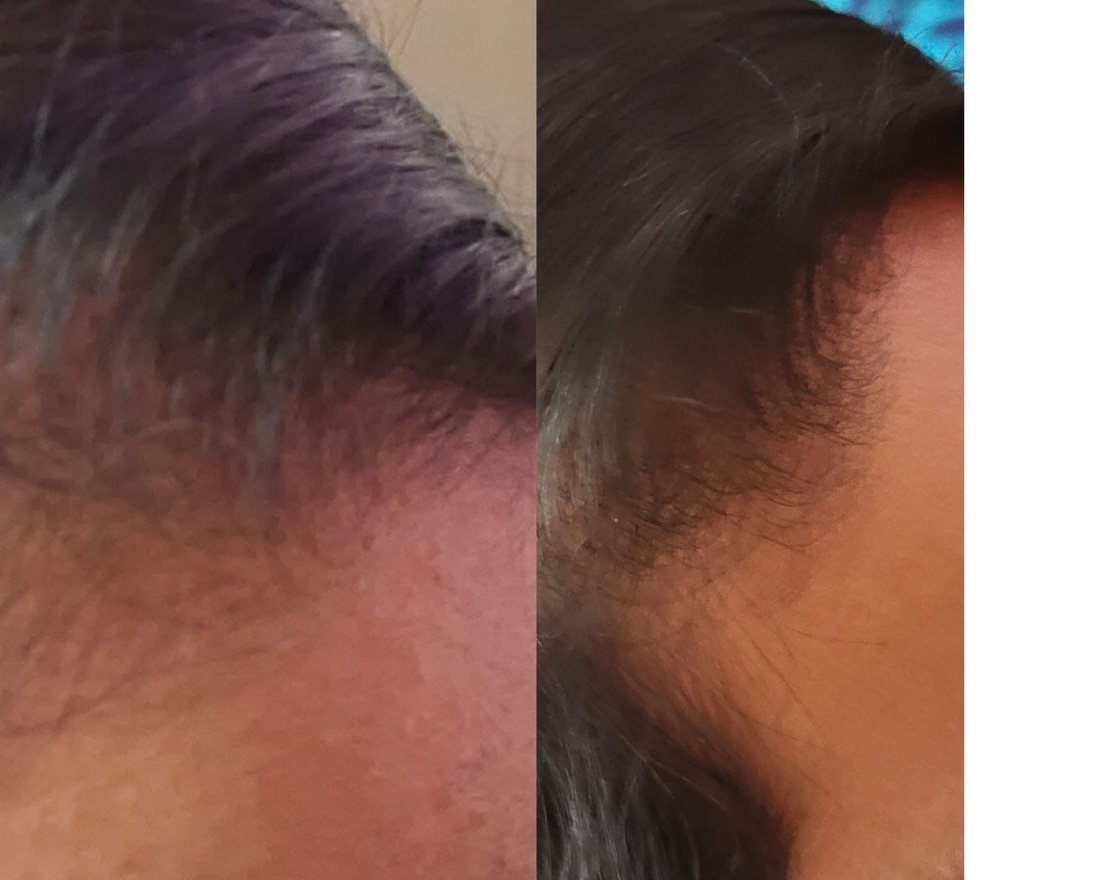
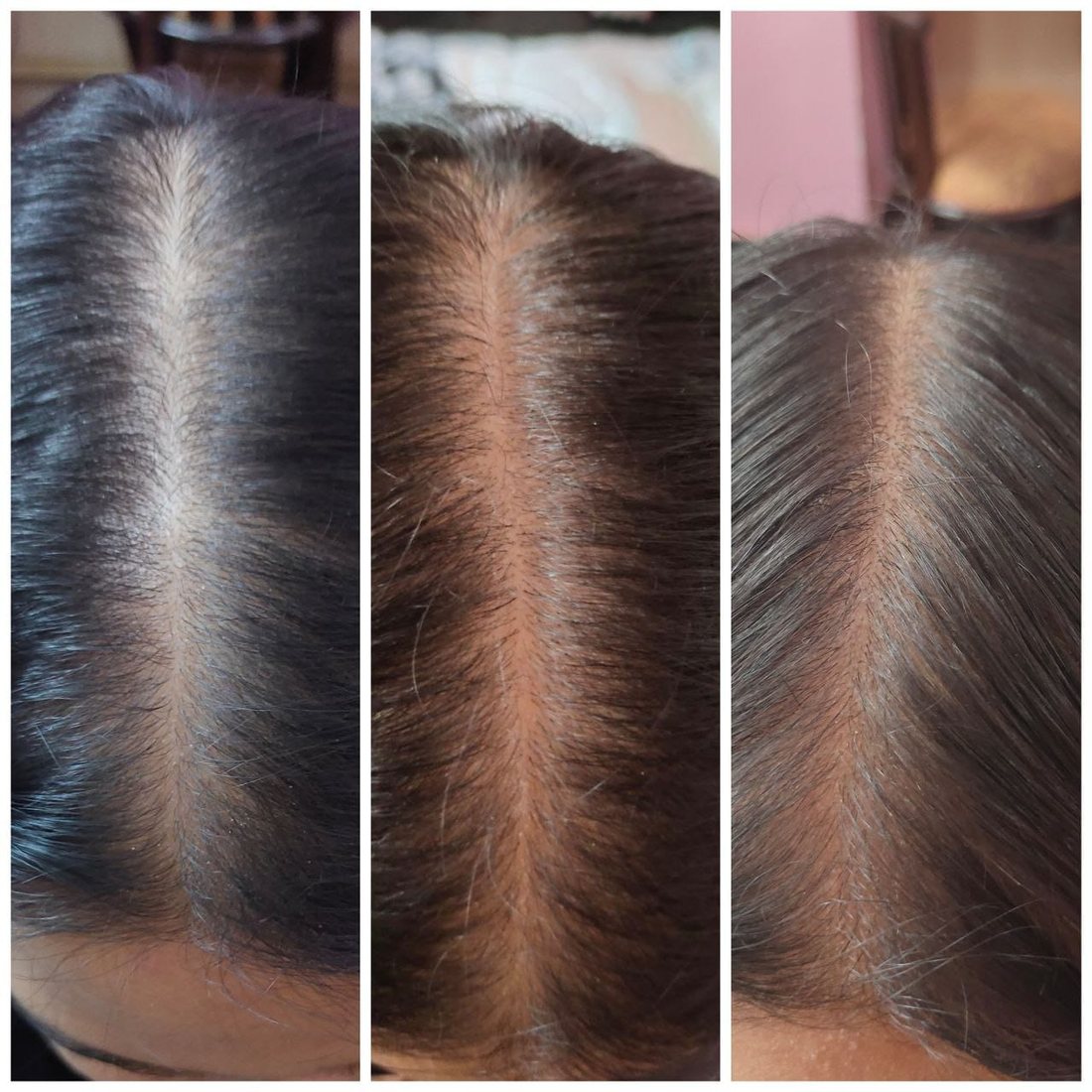
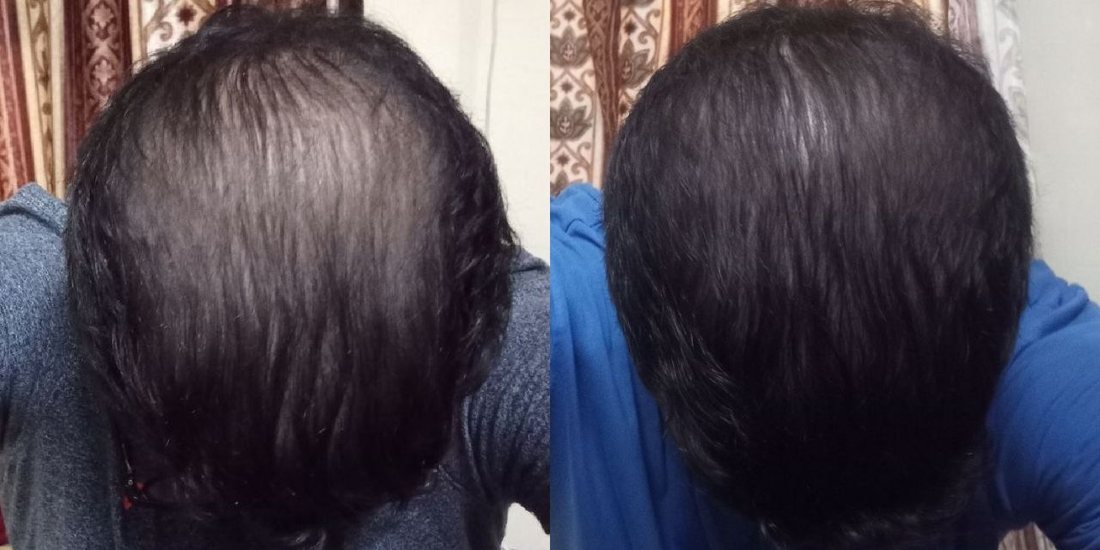
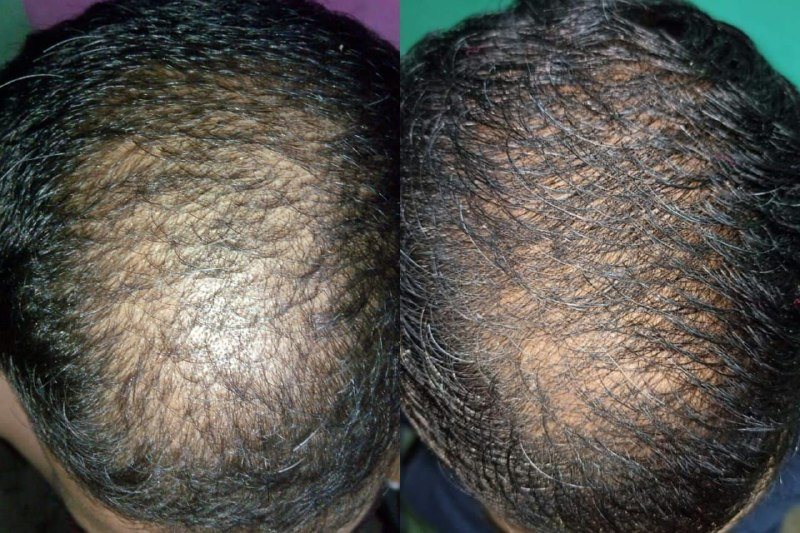
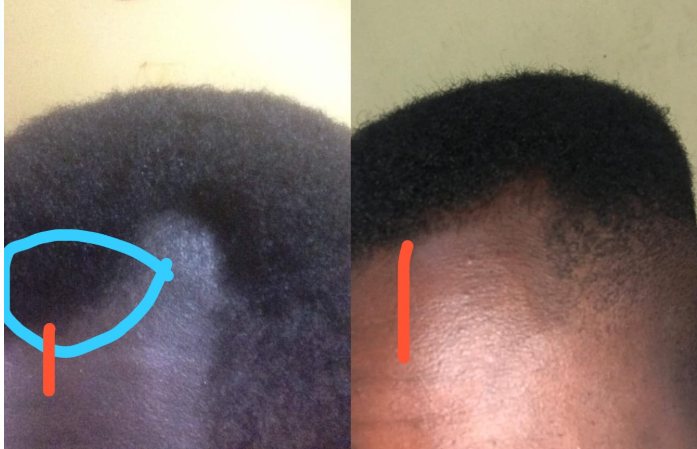
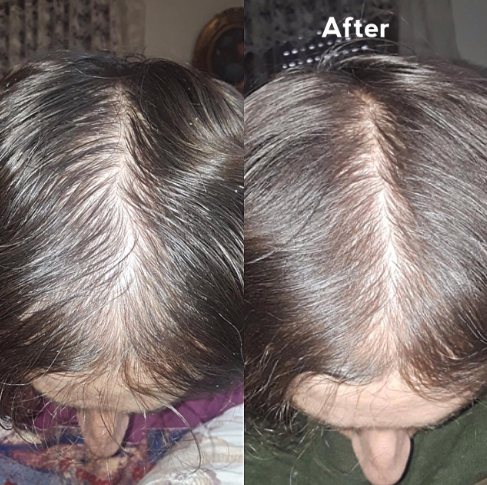
So I built the boring thing nobody sells, because you can’t bottle a routine. What to eat and when. How to actually handle a scalp. What to stop doing. How to move, how to sleep, and how to give it the months hair genuinely takes instead of quitting at week three. I followed it, and for the first time the change held, because there was nothing to stop taking. Then a friend asked for it. Then his friend. Then people in three countries followed it for six months and sent me their photos.
I can’t promise you your hair back. Nobody honest can.
What I can promise: you’ll never again wonder what you’re supposed to be doing.